
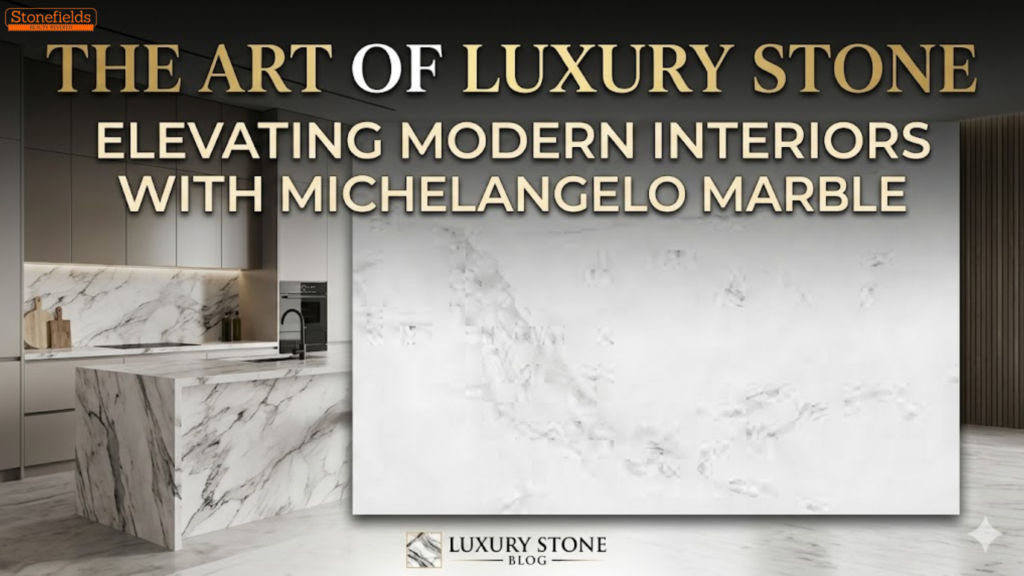
The journey of home design often culminates in the selection of a centerpiece—a material that defines the character of a space. For centuries, natural stone has been that medium. Among the pantheon of exotic materials, Michelangelo Marble stands as a testament to the raw beauty of geological art. This blog explores the nuances of this exquisite stone, its applications in contemporary architecture, and how to source the finest slabs for your dream project.
The Aesthetic DNA of a Masterpiece
Named after the legendary Renaissance artist who saw a soul in every block of stone, this marble variety is a visual symphony. Unlike standard white marbles, it possesses a dramatic flair. Its surface is characterized by a sophisticated interplay of deep veins, subtle shadows, and a luminous base that seems to hold light within its layers.
Every slab is a unique piece of history, formed over millions of years under intense heat and pressure. For an architect, it is a canvas; for a homeowner, it is a legacy. The presence of this stone in a living room or a grand foyer immediately upgrades the property from a residence to an estate.
Why the Source Matters: The Global Stone Hub
When sourcing high-end materials, the location of the processing unit is as vital as the stone itself. The quality of the final polish, the precision of the cut, and the variety available for selection depend on the technological infrastructure of the market. Most global designers and builders look toward specialized clusters where stone processing has been perfected over generations.
One such location is Rajasthan, India. Within this region, the town of Kishangarh has emerged as the “Marble City of Asia.” It is a place where global stones meet local craftsmanship. If you are looking for the most exclusive Michelangelo Marble in Kishangarh, you will find that the transparency in pricing and the sheer volume of stock allow for a much better selection than any retail showroom in a metropolitan city.
Strategic Applications in Residential Architecture
1. The Grand Entrance: Flooring
Flooring is the largest horizontal surface in a home, and choosing a high-veined marble ensures that the house feels “decorated” even before the furniture arrives. Michelangelo Marble, when laid in a “book-match” pattern—where two adjacent slabs mirror each other—creates a diamond-like symmetry that is breathtaking.
2. Culinary Elegance: Kitchen Islands
The modern kitchen is no longer just a utility space; it is a social hub. A thick, mitered-edge countertop made from this marble becomes an instant conversation starter. Its heat-resistant properties, combined with its striking looks, make it both functional and fashionable.
3. Sanctuary Spaces: Master Bathrooms
Imagine a master suite where the walls are clad in floor-to-ceiling marble. The natural patterns provide a sense of organic tranquility. Using this stone in vanity tops or shower stalls provides a spa-like atmosphere that increases the resale value of any luxury property.
Technical Specifications and Quality Checks
Buying premium stone requires a keen eye. Before finalizing your lot, consider these professional “checkpoints”:
- Porosity and Hardness: Ensure the stone has been tested for density. High-quality marble should be compact enough to resist deep staining.
- Surface Finish: While “High Gloss” is traditional, many modern homes are opting for “Honed” (Matte) or “Leather” finishes. Each finish changes how the veins look and how the stone feels to the touch.
- Slab Thickness: Standard premium slabs should be between 16mm and 20mm. Uniform thickness is crucial for a level floor installation.
- Netting and Resin: Premium stones often come with a fiberglass net on the back for added strength during transit. This is a standard industry practice for exotic marbles and does not indicate weakness.
Maintenance: Protecting Your Investment
Natural stone is an investment that can last centuries, but it requires the right care.
- Professional Sealing: Immediately after installation, apply a high-quality impregnating sealer. This fills the microscopic pores of the marble, preventing liquids from seeping in.
- PH-Neutral Cleaning: Forget harsh chemicals or acidic cleaners like vinegar. Use only specialized stone soaps that maintain the natural luster of the marble.
- The “Coaster” Rule: Even with sealing, it is a best practice to use coasters for glasses and mats for hot plates to prevent “etching” (dulling of the polish).
The Economics of Luxury Marble
Why does the price of marble vary so much? It comes down to “Whiteness” and “Figure.” Slabs with a cleaner background and more defined, symmetrical veining are considered higher grade. Buying directly from a major hub allows you to skip the middlemen, ensuring that you pay for the quality of the stone rather than the overhead of a fancy city showroom.
The Sustainability Aspect
Natural stone is one of the most sustainable building materials available. It is eco-friendly, contains no VOCs (Volatile Organic Compounds), and is incredibly durable. Unlike tiles or laminates that need to be replaced every 10–15 years, a marble floor can be re-polished every decade to look brand new again, making it a “forever” material.
Frequently Asked Questions (FAQs)
Q1: How do I ensure my marble slabs are from the same lot?
Always check the “Lot Number” stamped on the side of the slabs. Slabs from the same block will have consecutive numbers, ensuring that the color and vein patterns match perfectly throughout your area.
Q2: Is this marble suitable for outdoor use?
While marble is durable, it is generally recommended for indoor use or semi-shaded areas. Direct sunlight and heavy rain can cause the polish to dull over several years, though it can always be restored.
Q3: Can I customize the size of the slabs?
Marble is usually sold in large slabs. However, most processing units can cut them into “Cut-to-Size” tiles or specific dimensions based on your architect’s drawing before shipping.
Q4: What is “Book-matching”?
Book-matching is when two consecutive slabs are polished on opposite sides. When placed next to each other, the veins line up like an open book, creating a stunning symmetrical pattern.
Conclusion: A Legacy in Stone
Choosing the right marble is about finding a balance between your personal style and the inherent character of the Earth. Michelangelo Marble offers a rare combination of artistic drama and timeless luxury. By sourcing from the right hubs and ensuring professional installation, you are not just building a floor—you are curating an experience.